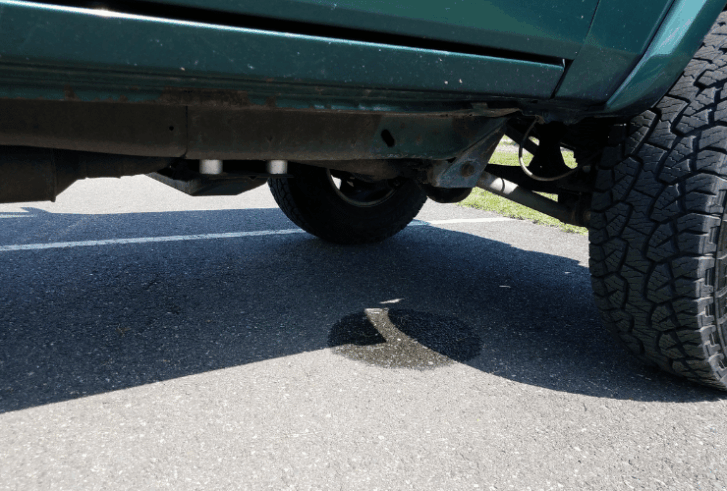

That spot under your car isn’t just a mystery—it could be a warning sign. Many car owners mistake serious leaks for harmless puddles, risking costly repairs. The team at K&M Auto Service understands that peace of mind comes from knowing your vehicle is in top condition. This mechanic’s guide to car leaks identification breaks down the five most common fluid leaks, so you’ll know exactly what each puddle means before it becomes a bigger problem, and when it’s time to call the experts at K&M Auto Service for a professional inspection.
Understanding Car Puddles
Let’s dive into the often-overlooked world beneath your vehicle. Each puddle tells a story about your car’s health. Understanding these tales can save you from unexpected breakdowns.
Identifying Common Car Fluid Leaks
Imagine spotting a strange puddle under your car. Is it dangerous? The color and location of the puddle can give you clues.
- Oil Leaks: These usually leave dark brown or black spots. They can appear anywhere under the engine.
- Coolant Leaks: Typically bright green, yellow, or pink, these leaks often occur near the front of the vehicle.
- Transmission Fluid: Look for red or brown stains beneath the middle section of your car.
- Brake Fluid: A clear or brownish liquid, often found near the wheels.
- Power Steering Fluid: Typically amber or pink, appearing under the engine.
Knowing what to look for helps you pinpoint the issue and act quickly.
Mechanic Advice on Leaks
Your mechanic can be your best ally in leak identification. Regular check-ups can prevent small leaks from becoming costly problems.
- Stay Observant: Check your parking spot regularly for new spots.
- Maintenance Matters: Regular oil changes and coolant top-ups can prevent many leaks.
- Use the Right Fluids: Always use manufacturer-recommended fluids.
Seeking advice from a professional can save you time and money in the long run. If you’re in the area, the experienced technicians at K&M Auto Service are always ready to help diagnose and fix any leaks promptly.
Recognizing Leak Symptoms
Spotting a puddle is one thing, but recognizing symptoms that come with it is another. Each fluid plays a different role, so their leaks have unique signs.
Coolant Leak Signs
Your car’s engine needs coolant to prevent overheating. A leak here can lead to engine trouble.
- Overheating: If your car heats up quickly, it might be losing coolant.
- Sweet Smell: Coolant has a distinct sweet scent; smelling it could mean trouble.
- Low Coolant Levels: Regularly check your coolant reservoir.
Ignoring these signs can lead to serious engine damage.
Oil Leak Symptoms
Oil is crucial for engine lubrication. An oil leak can cause severe damage if left unchecked.
- Burning Smell: Oil dripped on a hot engine creates a noticeable odor.
- Oil Light Alert: A drop in oil levels triggers a dashboard warning.
- Dark Spots: Check the ground for dark, greasy spots.
Quick action on these symptoms can save your engine from wear and tear.
Transmission Fluid Leak Indicators
Transmission fluid leaks are less common but equally critical. Let’s explore how to identify them.
Causes of Transmission Leaks
Understanding why leaks happen can help prevent them. Common causes include:
- Damaged Seals: Over time, seals can crack and cause leaks.
- Worn Gaskets: Like seals, gaskets can age and fail.
- Faulty Drain Plug: A loose or damaged plug can lead to leaks.
Address these issues early to avoid bigger problems down the road.
Preventive Measures for Car Leaks
Taking proactive steps can keep your car leak-free. Here’s how to start:
- Regular Inspections: Routine checks by a professional can catch leaks early.
- Quality Parts: Use high-quality parts that fit your vehicle’s specifications.
- Proper Fluid Levels: Keep an eye on all fluid levels, topping up as needed.
By staying alert and informed, you can keep your car running smoothly and avoid unexpected repairs.

