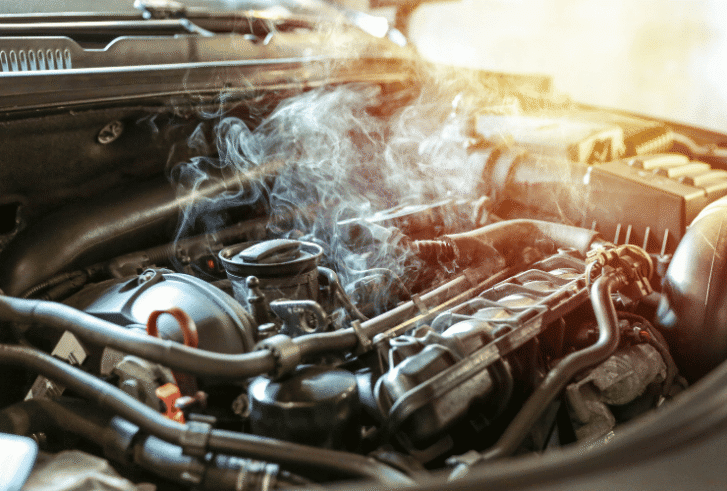

The moment your car’s temperature gauge shoots up, panic sets in—and that’s when costly mistakes happen. Acting too quickly, like opening the radiator cap right away, can cause serious burns or permanently wreck your engine. When a cooling system failure strikes, the team at K&M Auto Service knows that making the right moves can save your vehicle from a catastrophic engine replacement and keep you safe on the side of the road. This emergency survival guide breaks down the crucial do’s and don’ts of handling an overheating engine.
Immediate Actions for Car Overheating
When you see that temperature gauge rising, your first move is crucial. Don’t let panic take over. Here’s exactly what you should do:
1. Pull Over Safely (DO)
You need to get your car to a safe spot as soon as you notice it overheating. Find a place to pull over, preferably away from traffic, to prevent further damage and keep yourself safe.
- Turn on your hazard lights to alert other drivers.
- Avoid stopping on a hill, if possible, as this can hinder the cooling process.
- Once parked, keep the engine running for a minute with the heater blasting on high to help draw trapped heat away from the engine.
Remember, the longer you drive while your car is overheating, the more damage you’re likely to cause. Get off the road quickly but safely.
2. Allow the Engine to Cool (DO)
Now that you’re safely parked, patience is key. You might be tempted to pop the hood right away, but resist the urge. The engine needs time to cool down:
- Wait at least 15 to 30 minutes before checking under the hood.
- Use this time to call for roadside assistance if needed.
- If you must check the engine after it has rested, approach with caution and use a cloth to protect your hands.
This waiting period gives the engine a chance to cool naturally and drastically reduces the risk of injury from steam or hot surfaces.
Critical Mistakes to Avoid
Knowing what not to do is just as important. Avoid these common mistakes to keep yourself safe and protect your car from severe damage.
3. Opening the Radiator Cap (DON’T)
Never open the radiator cap while the engine is hot. This is one of the most dangerous mistakes you can make.
- Pressurized steam and hot coolant can spray out and cause severe, life-altering burns.
- Wait until the engine is completely cool, and always use a cloth for added safety if you need to open it later.
If you’re ever unsure, it’s always better to wait or get professional help. The risk of severe injury simply isn’t worth it.
4. Continuing to Drive (DON’T)
Driving with an overheating engine only makes things worse. You might think you can coast a few more miles to a nearby mechanic, but this is almost always a costly error.
- Driving increases internal pressure and temperature, leading to rapid, catastrophic damage.
- You risk warping or cracking vital parts like the engine block or head gasket.
Instead, pull over immediately and seek assistance or wait for the engine to cool. Ignoring the warning signs will turn a minor repair into an incredibly expensive nightmare.
Prevention and Maintenance Tips
The best way to handle an overheating car is to prevent it from happening in the first place. Regular checks can keep your car running smoothly.
5. Inspect Your Cooling System Regularly (DO)
Keeping your coolant levels in check and inspecting the system regularly is essential. A little proactive maintenance goes a long way:
- Check coolant levels every few weeks when the engine is cold.
- Top off with the correct manufacturer-specified type of coolant for your car.
- Look for puddles or bright fluid leaks under your car, which are immediate red flags.
- Check hoses for cracks or leaks, ensure the radiator fan is functioning correctly, and have a professional inspect the entire system annually.
By staying ahead of potential issues, you’ll protect your car’s performance, extend its lifespan, and completely avoid the hassle of a roadside breakdown.
An overheating engine is a clear warning sign that your cooling system needs professional attention. If your temperature gauge has been creeping up or you’ve experienced a breakdown, don’t leave your engine’s health to chance.
For expert diagnostics, coolant flushes, and comprehensive cooling system repairs, turn to the trusted team at K&M Auto Service. Visit their website today to schedule an appointment and ensure your vehicle stays safe and cool on the road.

